
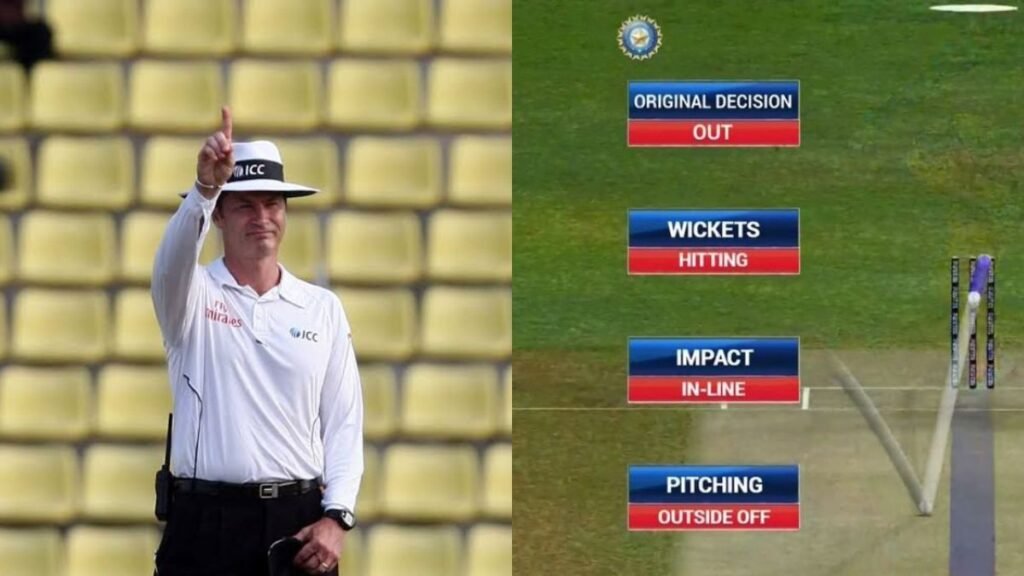
Cricket is a game of tiny margins, and few people influence those margins more than the officials. An umpire’s raised finger, a marginal review, a call on a run-out by the narrowest of distances: these moments can swing a match as decisively as any six or wicket. Understanding the role of officiating is one of the quickest ways to deepen your appreciation of the game.
The People in the Middle
Every match is controlled by two on-field umpires, supported in the professional game by a third umpire watching replays and a match referee overseeing conduct. Their job goes far beyond raising a finger for an lbw. They count deliveries, judge no-balls and wides, monitor the condition of the ball and the pitch, and manage the tempo and temper of a contest that can stretch across five days.
Good umpiring is often invisible, which is exactly the point. The best officials keep a game flowing and fair without ever becoming the story.
Technology and the DRS
The biggest change to officiating in the modern era is the Decision Review System. By giving teams a limited number of challenges, DRS blends human judgement with ball-tracking, edge-detection, and slow-motion replays. It has reduced the number of clear errors that decide matches, though it has also created a new layer of tension, with players and fans alike holding their breath as a review works its way through the technology.
DRS has not removed controversy so much as reshaped it. The “umpire’s call” grey area, where a decision stands because the evidence is not conclusive, remains one of the most debated features of the modern game.
Why the Margins Matter to Fans
Because officiating decisions can swing so much, they naturally draw the attention of anyone following a match closely, including those who like a stake on the outcome. A single review can flip a session, and with it the momentum of an entire game. This is not unique to cricket. The same dynamic plays out across sport, and this look at how referees and officials can change betting outcomes shows just how much the people in charge can shape a result.
For fans who do enjoy a flutter on the cricket, the lesson is to respect how much variance officials and technology introduce. If you want to explore your options, a rundown such as the Footballwhispers best UK free bets offers available list lays out what is available, though any wager should be treated as entertainment, set against a fixed budget, and kept strictly for adults.
Respecting the Difficulty
It is easy to criticise officials from the stands or the sofa, but the job is genuinely hard. Umpires make split-second judgements on deliveries travelling at speed, in changing light, over many hours, and they get the overwhelming majority right. Technology helps, but it has not replaced the need for experienced, unflappable people in the middle.
When Officials Become the Story
Occasionally, despite everyone’s best efforts, the officials do become the story. A contentious review at a critical moment, a run-out decision that takes an age, or a disputed catch can dominate the post-match conversation and even shift the course of a series. These flashpoints are rare, but they are a reminder of how much authority sits with the people in the middle. The best officials handle that pressure calmly, explain their calls clearly, and move the game on, which is precisely why experience and temperament matter as much as eyesight.
The Unsung Influence
The next time a match turns on a marginal call or a nervy review, it is worth appreciating the craft involved. Officiating is one of cricket’s quiet arts, shaping contests in ways that are easy to overlook until a single decision changes everything. It is a reminder that the game is decided not only by bat and ball, but by judgement too. For another side of modern fandom, our piece on the dual life of the cricket and football fan looks at how supporters follow more than one sport at once.
