
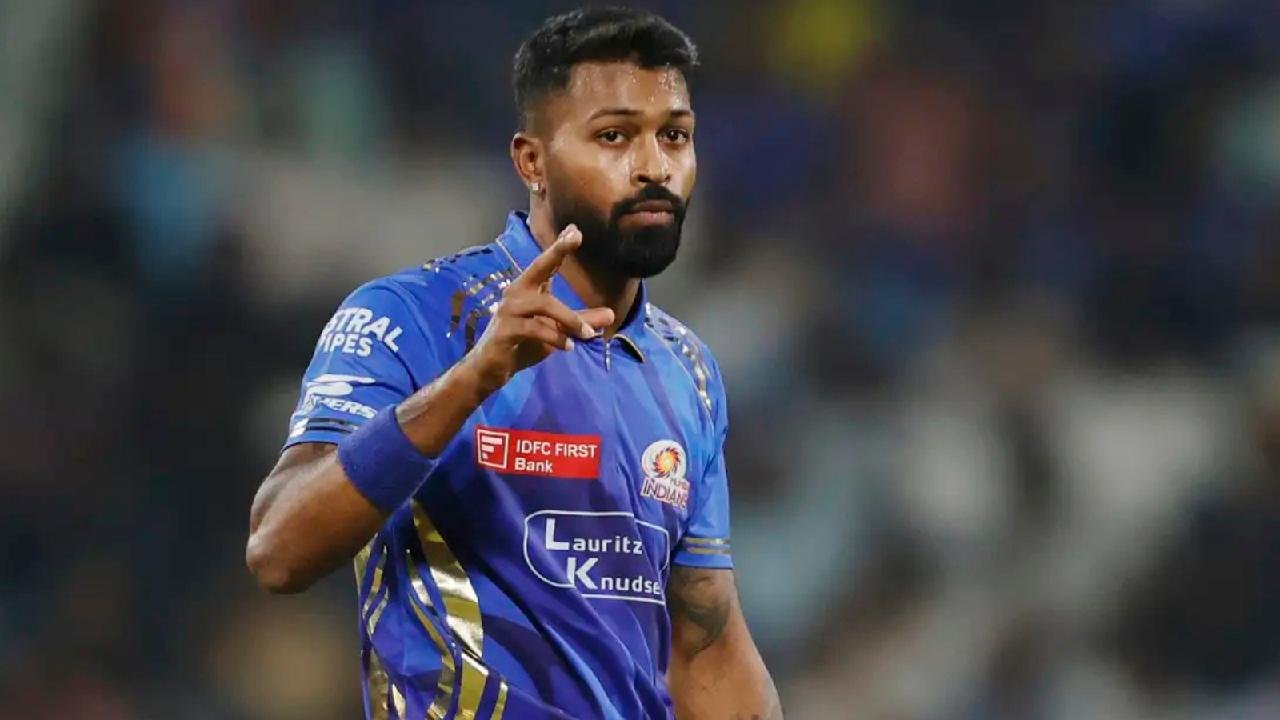
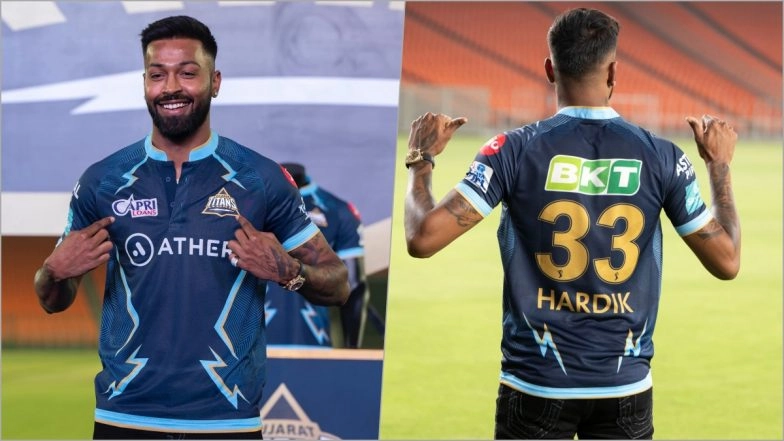
It’s easy to forget how good Hardik Pandya looked just a few years ago. Gujarat Titans, 2022 — he walks into an expansion franchise, nobody quite knows what to expect, and he delivers a title. Comes back in 2023 and takes them to the final again. Two seasons, two finals, one championship. His captaincy looked calm and instinctive, his batting was match-defining when it needed to be, and he seemed to have found a version of himself that worked beautifully in a T20 leadership role.
Then came the move to the Mumbai Indians. And essentially everything that worked at GT stopped working the moment he walked through MI’s doors.
Understanding why requires looking at more than just the numbers.
From Freedom at GT to Pressure at MI
The Gujarat Titans were a blank page when Hardik took over. No legacy, no expectations, no shadow of a legendary predecessor to step out from. He could try things, build relationships from scratch, and create a team culture that was genuinely his own.
The Mumbai Indians are the exact opposite of that.
He wasn’t just joining MI — he was replacing Rohit Sharma. The most successful captain in IPL history, with five titles and a playing identity that was inseparable from the franchise’s identity. The moment that appointment was announced, Hardik was already playing catch-up in the minds of fans, media, and probably some people in the dressing room.
That’s a different kind of pressure to build under. The freshness he had at GT was gone.
A Tough Start as Captain
IPL 2024 was, by any measure, a bad season for the Mumbai Indians. The team finished near the bottom of the points table — one of their worst performances in recent memory — and every loss became a referendum on the captaincy change.
Questions about his leadership style, his decision-making under pressure, his ability to manage a dressing room full of established internationals — all of it started circulating publicly in a way that wouldn’t have happened if the team had simply been winning.
Drop in Personal Performance
The captaincy struggles would have been manageable if his individual game had held up. It didn’t.
At Gujarat Titans, Hardik’s batting had a specific impact quality to it — he finished innings, changed momentum, and delivered in crunch moments. At MI, that particular quality has been inconsistent at best. The strike rate is there sometimes; the timing isn’t. The innings that should be defining end up being a starting point for a partnership rather than the match-shaping contribution you expect from him.
His bowling has been similarly reduced. Death-over bowling has been leaking runs in a way it didn’t used to, and his ability to generate the awkward angles and pace that made him a difficult proposition for batters seems blunted.
Whether this is fitness-related, confidence-related, or simply the accumulation of a difficult environment — probably all three — it’s visible in a way that’s hard to explain away.
Captaincy Decisions Under Scrutiny
Every tactical decision gets magnified when the team is losing. Bowling changes that might have looked sharp at GT look questionable when MI can’t close out a match. Batting position experiments — going up the order in certain games — have sometimes backfired and left the middle order exposed.
When a team is winning, captains get credit for boldness. When a team is losing, the same decisions look like poor judgment. The decisions themselves may not have changed much. The results and the narrative around them definitely have.
Injuries and Workload Concerns
This one is real and worth taking seriously. Hardik Pandya has dealt with a series of fitness issues over the past few seasons. His pace has noticeably dropped from his peak, and when you’re a fast-bowling all-rounder, and the bowling gets slower and less threatening, that takes away a significant part of what makes you dangerous.
Managing his bowling workload, protecting him from further breakdown, and still asking him to contribute meaningfully with the ball — these are genuine tensions within the team management’s planning, and they show up in how he’s used across a match.
Team Dynamics and Dressing Room Pressure
The Mumbai Indians have Jasprit Bumrah, Suryakumar Yadav, and several other internationally established players. Managing a dressing room full of star names — each with their own expectations about how the team should be run — is significantly harder than managing a group that was built together from scratch the way GT was.
There are no official statements about internal friction, and speculating beyond what’s visible would be unfair. But the simple fact of inheriting a team with entrenched relationships and established hierarchies is a harder starting point than building something new.
Fan Reactions and Mental Pressure
The booing at home games became a story in itself during the 2024 season. Whatever you think about how fans should behave toward players, the practical reality is that walking out in front of a hostile home crowd wears on anyone. Confidence is fragile, and confidence under public pressure from the people who are supposed to be on your side is particularly fragile.
Hardik hasn’t publicly complained about any of this, which speaks to some resilience. But it would be naive to think it hasn’t had an effect.
Also Read: Fact Check: Was Riyan Parag Really Vaping in the IPL Dressing Room?
What Still Works in His Favor
None of this means Hardik Pandya is finished as a significant cricketer or a capable leader. The GT record is real. The ability is real. Players have gone through worse patches and come out the other side with their best cricket still ahead of them.
He can still hit the ball cleanly when he’s in the right headspace. He can still contribute with the ball in conditions that suit him. And he understands T20 cricket at a strategic level — the GT seasons proved that.
What he’s dealing with is a combination of circumstances that have made it very difficult to show those strengths consistently. That’s a different problem from the skills not being there.
A Shift That Changed Everything
The question hanging over Hardik Pandya’s MI journey isn’t really about talent. It’s about whether he can rediscover the version of himself that existed at the Gujarat Titans — and whether MI is the environment that can produce that rediscovery.
Some players thrive when the pressure gets the highest. Others need a specific kind of environment to perform at their best. Whether MI becomes that environment for Hardik, or whether his best cricket will always be associated with the GT chapter, is the most interesting unanswered question in his career right now.
Every IPL match he plays for the Mumbai Indians is another data point in that story.
