
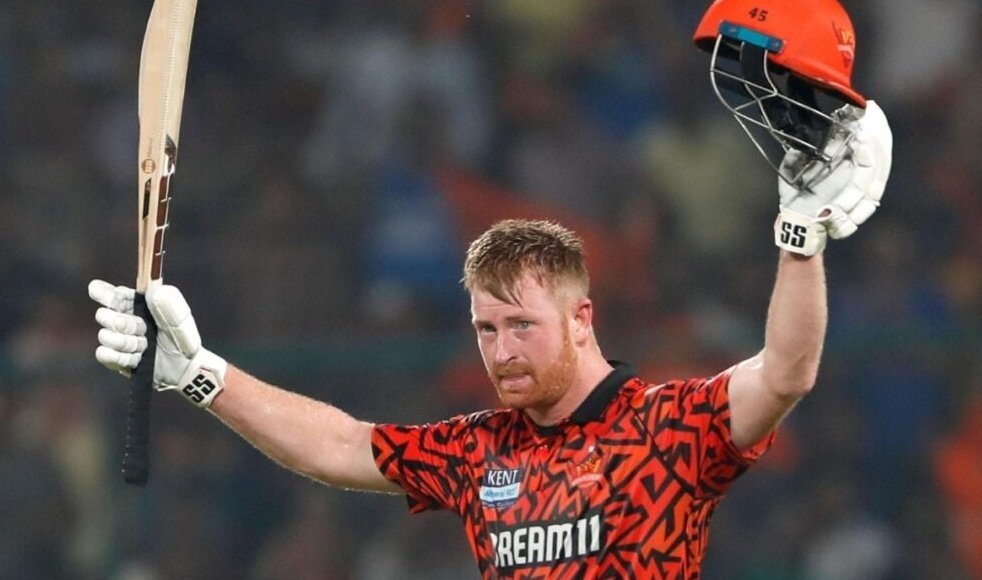
Every IPL season develops its own story as it goes on. Sometimes it’s about a breakout Indian youngster. Sometimes it’s about a franchise finally clicking. This season, one of the more interesting subplots has been watching South African players quietly take over the tournament while the conversation around overseas stars was largely centred elsewhere.
Australian players came in with the hype — they usually do. Big names, big expectations, big price tags. Some of them have had good moments. But if you look at who has been consistently showing up in match-defining situations across franchises, the answer keeps coming back South African.
Consistency Is Setting Them Apart
The thing about IPL impact isn’t just what you do in your best game — it’s what you do across a long tournament when teams have figured out your patterns and conditions keep changing.
South African players have been notably consistent in this regard. Heinrich Klaasen and Aiden Markram haven’t just had one or two good games and then gone quiet. They’ve been returning to important situations across multiple matches and doing something useful with them. That reliability is what teams actually need from overseas slots.
You can have one brilliant overseas player who scores a hundred and then disappears for three games. Or you can have someone who contributes meaningfully in seven out of ten matches. The second option tends to win tournaments.
Dominance in the Middle Order
Klaasen specifically deserves a paragraph of his own because what he’s been doing in the middle overs this season is genuinely impressive. He hits the ball as hard as anyone in the format, but what makes him dangerous is the range — he can find boundaries in areas that most players don’t even consider, and he can do it under pressure when the asking rate is climbing.
David Miller has been David Miller — which, if you’ve watched him for long enough, you know means occasionally terrifying hitting in the final overs of a chase. And Tristan Stubbs has been adding to the South African middle-order presence with a kind of calm competence that suggests he’s only going to get more influential as his IPL experience accumulates.
The combination of Klaasen’s explosive quality with Miller’s finishing reliability and Stubbs’s growing confidence gives teams using them something that most overseas middle-order options can’t match.
Strong Presence in Pace Bowling
The batting has been noticeable, but the bowling case is equally strong.
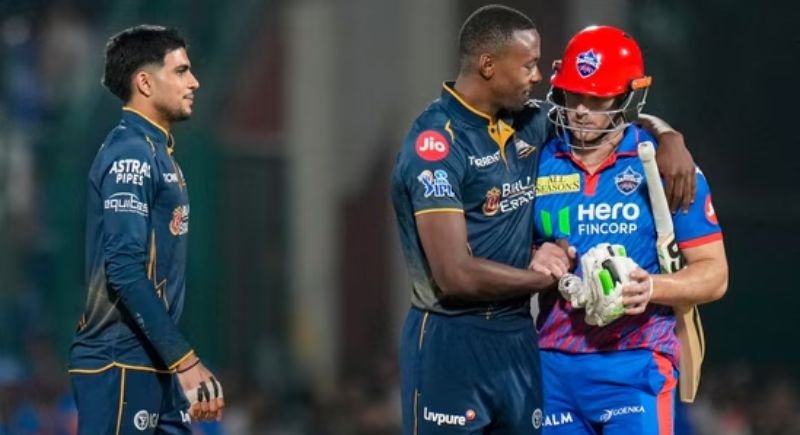
Kagiso Rabada has been consistently excellent in the roles that matter most — wickets in the powerplay, control in the death, and the ability to bowl to a plan even when batters are trying to take him on. That’s a specific kind of value that T20 captains love because it gives them a reliable option rather than a gamble.
Anrich Nortje brings something slightly different — raw pace that creates problems simply through speed, combined with the experience to know when to use it and when to vary it. At their best, Rabada and Nortje together form a pace attack that very few overseas bowling combinations can match in this format.
Depth Across Teams
This might actually be the most interesting part of the South African story in IPL 2026. They’re not concentrated in one or two franchises — they’re spread out, which means their influence is being felt across the entire tournament rather than being confined to one team’s results.
When you have South African players contributing across multiple franchises in different roles — opening the batting here, finishing a chase there, bowling the death overs somewhere else — the cumulative impact on the tournament becomes substantial. It’s not one story, it’s several stories happening simultaneously across the season.
The SA20 Effect on Performance
There’s a structural reason for this too, and it’s worth acknowledging. The SA20 league has developed significantly as a competition, and the preparation it provides — high-intensity T20 cricket in conditions that test similar skills to the IPL, against quality opposition — has clearly been doing something for South African players’ readiness when they arrive in India.
They don’t need a settling-in period. They come in match-ready, with their game plans already functioning, their confidence already built for the format. That’s an advantage over players who are arriving in IPL essentially cold after a break from high-level T20 cricket.
Why Australians Are Falling Behind
This needs to be said with some nuance. Australian players haven’t been bad — they’ve had good individual moments, and some of them have contributed meaningfully. But the gap between expectation and consistent output has been wider for the Australian contingent this season than for the South Africans.
Part of this is just the nature of where each group currently is in their T20 development cycle. Part of it might be the SA20 preparation advantage. And part of it might simply be that South African players are currently in a form cycle that’s peaking at the right time.
Whatever the reasons, the statistics and the match moments are telling the same story — South Africa has outperformed Australia as a collective in IPL 2026.
Also Read: Why Hardik Pandya Is Struggling at the Mumbai Indians — What Changed After the Gujarat Titans?
Match-Winning Impact in Key Moments
The real test of whether a player is genuinely impactful or just accumulating comfortable numbers is what they do when the match is on the line. Tight chase, last five overs, game could go either way — who do you want?
South African players keep showing up in those moments and delivering. Not every time — nobody does it every time — but consistently enough that it’s become a pattern rather than a coincidence.
Klaasen is finishing a difficult chase with a six over long-on. Rabada is taking two wickets in the 18th over to change the trajectory of a match. Miller is doing something ridiculous in the 19th over that wins his team a game they had no right to win. These are the moments that define a tournament MVP conversation.
The Momentum Is Clearly With South Africa
As IPL 2026 moves toward its later stages, the South African narrative has only gotten stronger. The consistency hasn’t dipped, the match-winning moments keep coming, and the depth across franchises means the impact keeps appearing from multiple directions.
Australian cricket has always had a strong IPL presence, and that won’t disappear permanently. But this particular season, in 2026, the overseas conversation belongs to a different country. South Africa came, spread out across the tournament; showed up in the important moments, and made themselves impossible to ignore.
That’s what MVPs do.
